


Hey there! As a supplier of polypropylene pipes, I've been getting a lot of questions lately about the impact resistance of these pipes. So, I thought I'd take the time to break it down for you and explain why it's such an important factor when it comes to choosing the right pipes for your project.
First off, let's talk about what polypropylene pipes are. Polypropylene is a type of thermoplastic polymer that's commonly used in the manufacturing of pipes and fittings. It's known for its durability, chemical resistance, and flexibility, which makes it a popular choice for a wide range of applications, including plumbing, heating, and ventilation systems.
Now, when it comes to impact resistance, polypropylene pipes have some pretty impressive qualities. Impact resistance refers to a material's ability to withstand sudden or repeated impacts without cracking, breaking, or deforming. In the case of polypropylene pipes, this means they can handle a fair amount of rough handling during installation and use without sustaining damage.
One of the key factors that contributes to the impact resistance of polypropylene pipes is their molecular structure. Polypropylene has a semi - crystalline structure, which gives it a good balance of stiffness and toughness. This structure allows the pipe to absorb and distribute the energy from an impact, rather than simply shattering like a more brittle material would.
Another important aspect is the manufacturing process. High - quality polypropylene pipes are typically produced using advanced extrusion techniques that ensure a uniform wall thickness and a smooth internal and external surface. A uniform wall thickness helps to evenly distribute stress across the pipe, reducing the risk of weak points that could lead to failure under impact.
Let's take a look at some of the different types of polypropylene pipes we offer and how their impact resistance plays a role in their performance.
PPR Tube
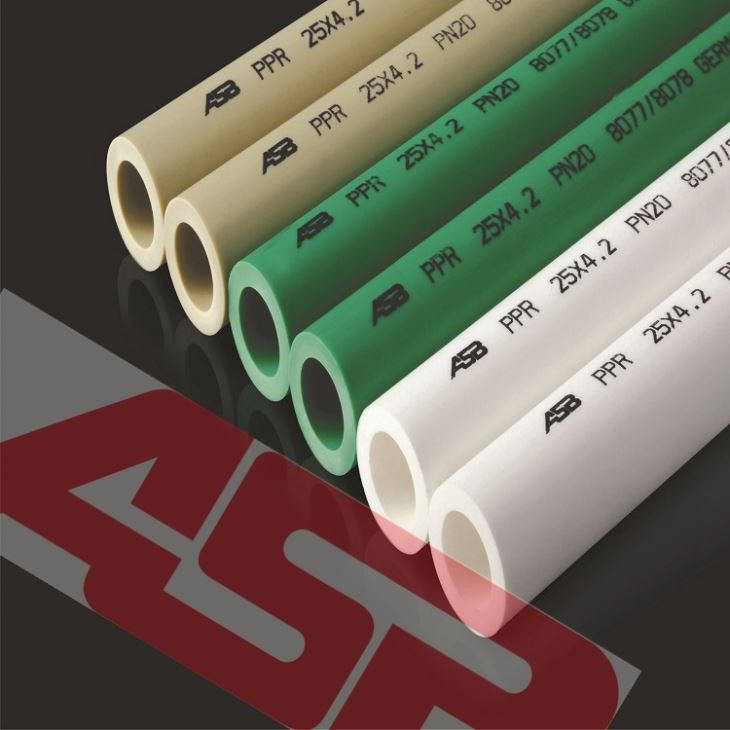
The PPR Tube is a common type of polypropylene pipe. It's made from a random copolymer of polypropylene, which gives it excellent impact resistance even at relatively low temperatures. This makes it suitable for use in both indoor and outdoor applications, where it might be exposed to varying environmental conditions. For example, in colder climates, the PPR tube can withstand the impact of frozen water expanding inside the pipe without bursting.
Polypropylene Random Copolymer Pipe
The Polypropylene Random Copolymer Pipe is another great option. These pipes are designed to have enhanced impact resistance and flexibility. They are often used in building plumbing systems, where they may need to be bent or routed around obstacles during installation. The high impact resistance ensures that the pipe won't crack or break when being manipulated, and it can also handle the normal wear and tear of everyday use, such as water hammer caused by sudden changes in water flow.
Plumbing PPR Composite Pipe
The Plumbing PPR Composite Pipe combines the benefits of polypropylene with other materials to create a pipe that offers even better impact resistance. The composite structure adds an extra layer of protection, making the pipe more resistant to damage from external impacts, like being hit by a tool during construction or accidentally bumped into.
So, why does impact resistance matter in real - world applications? Well, in plumbing systems, pipes are often installed in areas where they can be easily damaged. For example, in a basement or a crawl space, pipes may be subject to accidental impacts from people moving around or from equipment being stored nearby. If the pipes don't have good impact resistance, they could develop leaks or cracks, which can lead to water damage and costly repairs.
In industrial settings, polypropylene pipes are used to transport various chemicals and fluids. These pipes may be exposed to more harsh conditions, including the possibility of being hit by machinery or other objects. A pipe with high impact resistance can ensure the continuous and safe operation of the system, reducing the risk of spills and environmental hazards.
When choosing polypropylene pipes for your project, it's important to consider the specific requirements of your application. Factors such as the temperature range, the type of fluid being transported, and the level of physical stress the pipes will be exposed to all play a role in determining the appropriate level of impact resistance.

We always recommend working with a professional installer who has experience with polypropylene pipes. They can help you select the right type of pipe based on your project's needs and ensure that the installation is done correctly to maximize the pipe's performance and impact resistance.
If you're in the market for polypropylene pipes and want to learn more about our products' impact resistance or have any other questions, we're here to help. Our team of experts can provide you with detailed information and guidance to make sure you get the best pipes for your project. Whether you're a contractor working on a large - scale construction project or a DIY enthusiast doing a home improvement job, we have the right polypropylene pipes for you.
So, don't hesitate to reach out if you're interested in discussing your polypropylene pipe needs. We can offer you competitive prices, high - quality products, and excellent customer service. Let's work together to make your project a success!
References
- "Polypropylene: Structure, Blends and Composites" by S. Fakirov
- "Handbook of Thermoplastics" by O. Olabisi


