


PPR composite pipes have become a popular choice in various plumbing applications due to their numerous advantages, such as corrosion resistance, smooth inner surface, and ease of installation. One of the critical factors that users often consider is the maximum temperature these pipes can withstand. As a PPR Composite Pipes supplier, I am here to provide you with in - depth knowledge about this topic.
Understanding PPR Composite Pipes
PPR, or Polypropylene Random Copolymer, is a type of plastic material widely used in pipe manufacturing. PPR composite pipes combine the benefits of PPR with other materials to enhance their performance. These pipes are commonly used in residential and commercial plumbing systems for both cold and hot water supply.
The Maximum Temperature Threshold
The maximum temperature that PPR composite pipes can withstand typically ranges from 95°C to 110°C. This temperature range is determined by the material properties of PPR and the manufacturing process of the composite pipes.
At normal operating conditions, PPR composite pipes are designed to handle hot water with a temperature of around 70 - 80°C for long - term use. This is well within the safety margin of the pipes' capabilities. For example, in most domestic hot water systems, the water temperature is usually set at around 60 - 70°C, which is perfectly suitable for PPR composite pipes.
However, when the temperature approaches the upper limit, say around 95 - 110°C, the pipes may experience some changes in their physical properties. At high temperatures, the PPR material may start to soften slightly. While it won't melt immediately, continuous exposure to such high temperatures can reduce the pipe's mechanical strength over time. This means that the pipe may become more prone to deformation or even leakage if the pressure in the system is relatively high.
Factors Affecting the Maximum Temperature Resistance
Several factors can influence the maximum temperature that PPR composite pipes can withstand:
1. Material Quality
The quality of the PPR resin used in the pipe manufacturing process plays a crucial role. High - quality PPR resin with better molecular structure and purity can have a higher temperature resistance. Our company, as a PPR Composite Pipes supplier, sources the best - quality PPR resin to ensure that our pipes can perform well under normal and even relatively extreme conditions.

2. Manufacturing Process
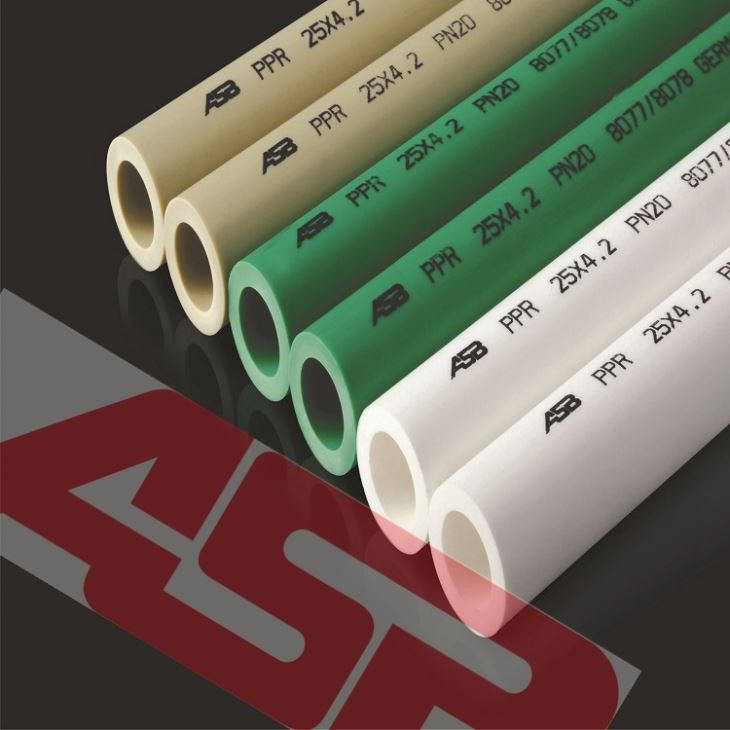
The manufacturing process also affects the pipes' temperature resistance. Precise control of the extrusion process, including temperature, pressure, and cooling rate, can result in pipes with more uniform structure and better overall performance. Our state - of - the - art manufacturing facilities are equipped with advanced technology to ensure the consistency and quality of our PPR composite pipes.
3. Pipe Wall Thickness
Thicker pipe walls can generally withstand higher temperatures and pressures. A thicker wall provides more material to resist the softening effect of high temperatures and can better maintain the pipe's shape and integrity. We offer a variety of pipe wall thicknesses to meet different customer requirements and application scenarios.
4. System Pressure
The pressure in the plumbing system is another important factor. Higher pressure combined with high temperature can put more stress on the pipes. For instance, in a high - rise building's hot water supply system, the pressure at the lower floors is relatively high. In such cases, even if the water temperature is within the normal range, the combined effect of pressure and temperature needs to be carefully considered.
Applications at Different Temperature Ranges
PPR composite pipes are suitable for a wide range of applications based on the temperature requirements:
1. Cold Water Supply
For cold water supply, where the water temperature is usually around 5 - 25°C, PPR composite pipes are an ideal choice. They offer excellent corrosion resistance and smooth flow characteristics, ensuring a long - lasting and efficient water supply system.
2. Domestic Hot Water Supply
As mentioned earlier, most domestic hot water systems operate at a temperature of 60 - 70°C. PPR composite pipes can handle this temperature range with ease. They are widely used in residential buildings for supplying hot water to bathrooms, kitchens, and other areas.
3. Industrial Applications
In some industrial applications, the temperature requirements may be higher. However, it is important to ensure that the PPR composite pipes are used within their specified temperature limits. For example, in certain low - temperature industrial heating systems where the temperature does not exceed 80 - 90°C, PPR composite pipes can be a cost - effective and reliable solution.
Safety Precautions
When using PPR composite pipes, it is essential to take some safety precautions to ensure their long - term performance:
- Temperature Monitoring: Install temperature sensors in the plumbing system to monitor the water temperature regularly. This can help detect any abnormal temperature increases and allow for timely adjustment.
- Pressure Regulation: Use pressure - regulating valves to maintain a stable pressure in the system. This can reduce the stress on the pipes, especially when the temperature is relatively high.
- Proper Installation: Ensure that the pipes are installed correctly according to the manufacturer's instructions. Improper installation, such as incorrect jointing or excessive bending, can weaken the pipes and make them more vulnerable to high - temperature damage.
Our Product Range
As a PPR Composite Pipes supplier, we offer a comprehensive range of products to meet different customer needs. Our High Pressure PPR Pipe is designed for applications where higher pressure and temperature resistance are required. It has a thicker wall and is made of high - quality PPR resin, ensuring reliable performance in demanding environments.
Our PPR Tube is a popular choice for general plumbing applications. It provides a smooth and efficient flow of water, whether it is cold or hot.
And our PPR Pipe is available in various diameters and wall thicknesses, suitable for different installation requirements.
Conclusion
In conclusion, the maximum temperature that PPR composite pipes can withstand is generally in the range of 95 - 110°C, but for long - term and safe use, a temperature of 70 - 80°C is recommended. By understanding the factors that affect the pipes' temperature resistance and taking appropriate safety precautions, users can ensure the reliable operation of their plumbing systems.
If you are interested in our PPR composite pipes or have any questions about their temperature resistance or other performance characteristics, please feel free to contact us for more information and to start a procurement negotiation. We are committed to providing you with the best - quality products and excellent service.
References
- "Plastic Pipes in Building Services" by XYZ Publishing
- Technical reports on PPR pipe performance from industry research institutions


