


Hey there! As a PPR water pipe supplier, I often get asked, "What is the meaning of PPR water pipe?" Well, let's dive right into it and break it down in a way that's easy to understand.
PPR stands for Polypropylene Random Copolymer. In simple terms, a PPR water pipe is made from this special type of plastic material. Polypropylene Random Copolymer is a thermoplastic polymer that's created by randomly copolymerizing propylene with a small amount of ethylene. This unique combination gives PPR pipes some really cool properties that make them a top choice for a wide range of water - related applications.
First off, PPR pipes are incredibly durable. They can withstand a fair amount of pressure without bursting or leaking. This is super important, whether you're using them in a residential building for your daily water supply or in a commercial setting for more heavy - duty water systems. You don't have to worry about the pipes giving out on you after a short period of time.
Another great thing about PPR pipes is their resistance to corrosion. Unlike metal pipes, which can rust and corrode over time, PPR pipes are not affected by the chemicals and minerals commonly found in water. This means that the water flowing through them remains clean and safe for use. No more worrying about rust particles getting into your drinking water or clogging up your plumbing fixtures.
PPR pipes are also very easy to install. They can be joined together using a simple heat - fusion process. This creates a seamless and leak - proof connection between the pipes. You don't need to use any messy adhesives or complex welding techniques. Even a DIY enthusiast can handle the installation of PPR pipes with a bit of practice.
Now, let's talk about the different types of PPR water pipes available. There's the Polypropylene Random Copolymer Pipe. This is the standard type of PPR pipe that's used in most general water supply systems. It's suitable for both cold and warm water applications, and it comes in various sizes to meet different needs.
If you're specifically looking for a pipe for cold water, then the Cold Water PPR Pipe is your go - to option. These pipes are designed to handle lower temperatures and are often used in cold water distribution systems, like in your kitchen or bathroom sinks.
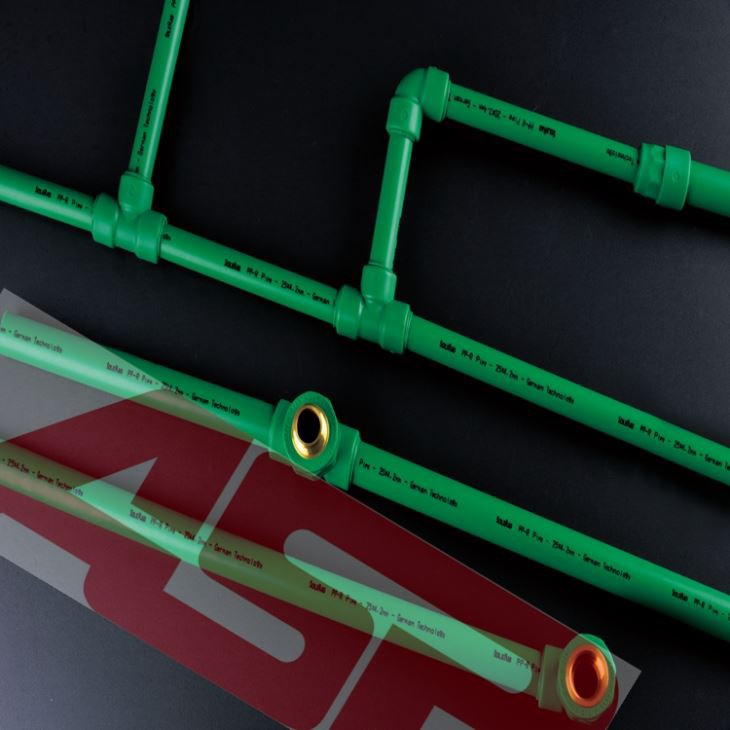

For heating systems, we have the PPR Pipes for Heating System. These pipes are specially engineered to withstand the higher temperatures associated with hot water circulation in heating systems. They have excellent thermal insulation properties, which helps to reduce heat loss and make your heating system more energy - efficient.
One of the reasons why PPR pipes have become so popular in recent years is their cost - effectiveness. They are generally more affordable than metal pipes, especially when you consider the long - term costs. With their durability and low maintenance requirements, you won't have to keep replacing them or spending a fortune on repairs.
In addition to being cost - effective, PPR pipes are also environmentally friendly. They are made from recyclable materials, which means that at the end of their lifespan, they can be recycled and turned into new products. This helps to reduce waste and minimize the impact on the environment.
As a PPR water pipe supplier, I've seen firsthand how these pipes have transformed the plumbing industry. They offer a reliable, efficient, and sustainable solution for all your water - related needs. Whether you're a homeowner looking to upgrade your plumbing system or a contractor working on a large - scale project, PPR pipes are definitely worth considering.
If you're interested in purchasing PPR water pipes for your next project, I'd love to have a chat with you. We can discuss your specific requirements, and I can help you choose the right type and size of pipes for your needs. Don't hesitate to reach out and start a conversation about your PPR pipe procurement.
References
- "Plastic Pipes Handbook"
- Industry reports on PPR pipe technology and applications


