


What is the connection method for Ppr Pipe Fittings?
Hey there! I'm a supplier of PPR Pipe Fittings. I get asked a lot about how to connect these nifty little things, and I'm here to break it down for you in a super simple way.
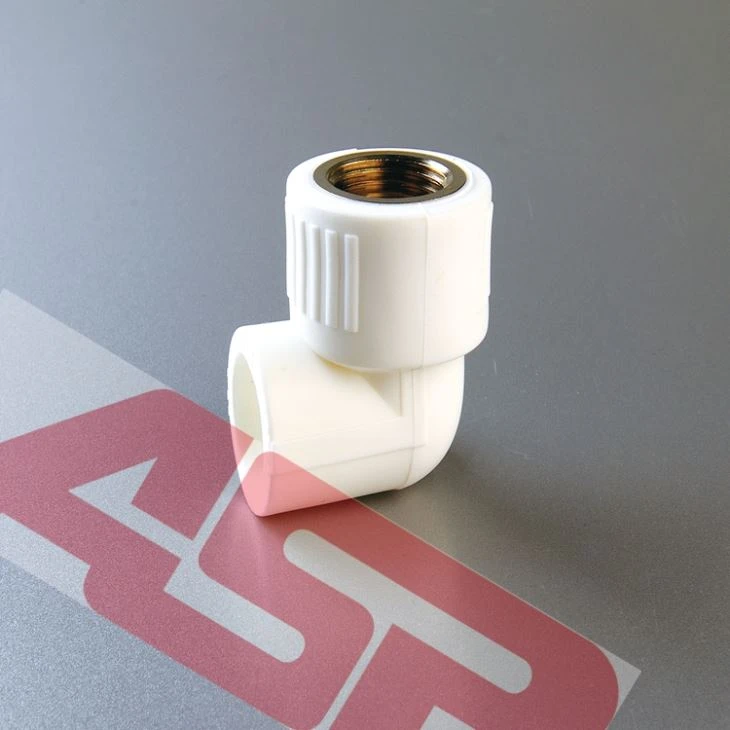

First off, let's talk a bit about why PPR pipe fittings are so popular. They're durable, corrosion - resistant, and easy to work with. Whether you're a DIY enthusiast working on a home project or a professional plumber, PPR pipe fittings have got your back.
One of the most common connection methods for PPR pipe fittings is the hot - melt connection. It's a pretty straightforward process, but it requires a special tool called a PPR pipe welding machine. Here's how it goes:
- Cutting the Pipes: First, you'll need to cut the PPR pipes to the right length. You can use a pipe cutter for a clean and straight cut. Make sure the cut is perpendicular to the pipe axis.
- Heating the Fittings and Pipes: Now, it's time to fire up that welding machine. The machine has two heating dies, one for the inside of the fitting and one for the outside of the pipe. Insert the pipe into the appropriate heating die and the fitting onto the other one. Leave them there for a specific amount of time as recommended by the manufacturer. This time usually depends on the diameter of the pipe and fitting.
- Connecting the Parts: Once they're heated up enough, quickly but carefully remove the pipe and the fitting from the heating dies. Then, insert the pipe straight into the fitting without rotating or twisting it. Hold them in place for a little while until they cool down and bond firmly. Voila! You've just made a hot - melt connection.
Hot - melt connections are great because they create a seamless and leak - proof joint. They're suitable for both water supply systems and other applications where you need a strong and reliable connection.
Another connection method is threaded connection, which is often used when you need to connect PPR pipes to other types of pipes or equipment with threaded ends. For example, if you want to connect a PPR Female Threaded Elbow to a metal pipe.
Here's how threaded connection works:
- Clean the Threads: First, make sure the threads on both the PPR fitting and the other part (like a metal pipe) are clean. You can use a brush to remove any dirt or debris.
- Apply Thread Sealant: Next, apply a thread sealant to the male threads. This helps to prevent leaks. You can use Teflon tape or a liquid thread sealant. Wrap the Teflon tape around the male threads in a clockwise direction, making sure it's smooth and tight.
- Screw Them Together: Finally, carefully screw the PPR fitting onto the other part. Make sure to tighten it properly, but don't over - tighten as it might damage the threads or the fitting.
Threaded connections are useful when you need a connection that can be easily disassembled for maintenance or modifications.
At our company, we offer a wide range of PPR Pipe Fittings, including High Pressure Pipe Fittings, that are suitable for different connection methods. Whether you need a simple elbow, a tee, or a coupling, we've got you covered. Our fittings are made from high - quality materials to ensure long - lasting performance.
If you're in the market for PPR pipe fittings, we'd love to talk to you. We can provide you with detailed information about our products, give you advice on which connection method is best for your project, and offer competitive prices. Whether you're working on a small residential project or a large commercial one, we're here to support you every step of the way. So, don't hesitate to reach out if you're interested in purchasing our PPR pipe fittings. We're looking forward to having a great business relationship with you.
References
- "PPR Pipe Fittings Installation Guide", Professional Plumber's Handbook.
- "Advantages of Different PPR Connection Methods", Pipe Industry Journal.


